

In today’s competitive real estate market, the margin between a quick, high-value sale and a property that lingers on the listings for months often comes down to strategic preparation. Homeowners frequently feel overwhelmed by the prospect of renovating, fearing that the costs will outweigh the benefits. However, the secret to maximizing your return on investment lies in identifying which upgrades resonate most with modern buyers and which repairs prevent a deal from falling through during the inspection phase.
A well-prepared home does more than just look good in photos; it tells a story of meticulous care and structural soundness. This guide dives deep into the specific areas where your time and capital are best spent. By focusing on a blend of high-impact aesthetic changes and essential mechanical updates, you can position your property as a premium offering that justifies a higher asking price.
1. Evaluating Market Trends and Setting Your Priorities
Before swinging a hammer or hiring a professional, you must understand what the “standard” is in your local neighborhood. Over-improving a home beyond the ceiling of its location can lead to diminishing returns. Start by attending open houses in your area to see what finishes buyers expect at your price point.
-
Identify the “Low-Hanging Fruit”: Look for small cosmetic flaws like chipped paint, dated light fixtures, or loose door handles.
-
Perform a “Buyer’s Walkthrough”: Enter your home through the front door as if you’ve never seen it before. What is the first thing you smell, see, and feel?
-
Prioritize Structural Integrity: No amount of decor can mask a leaky roof or a failing HVAC system.
2. Maximizing the Impact of Your Entryway and Exterior
The exterior of your home provides the primary context for the entire viewing experience. If a buyer approaches a house with peeling paint and overgrown shrubbery, they are already subconsciously looking for problems before they even step inside.
Consider the functional aspects of your home’s exterior accessibility. Often, homeowners focus on the front door but ignore the secondary entrances. For instance, if your back exit involves a sliding mechanism that is difficult to operate or sounds like it is grinding on sand, it signals neglect. Investing in sliding door repair can instantly change the perception of the home’s quality. Furthermore, take a hard look at your driveway and the overall cleanliness of the facade. If the task of cleaning siding, clearing gutters, and maintaining the lawn is too much to handle while you are packing, hiring a property maintenance company is a wise move. They can ensure the home remains in pristine condition from the moment it hits the market until the final walk-through.
3. Investing in Professional Outdoor Living Spaces
Post-pandemic buyers are placing a massive premium on outdoor “sanctuaries.” They want to see spaces where they can entertain, relax, and enjoy the fresh air without leaving their property. An unadorned patch of grass is a missed opportunity to showcase lifestyle potential.
-
Hardscaping vs. Softscaping: While flowers are nice, permanent structures like stone paths and built-in fire pits add tangible value.
-
Lighting and Ambiance: Low-voltage LED lighting along walkways and in trees adds a sense of luxury and safety.
-
Privacy Screening: Use lattices or tall hedges to create a sense of seclusion from neighbors.
Engaging professional patio services can help you design a space that feels like an extension of the interior living room. Whether it’s a stamped concrete pad or a multi-level deck, the goal is to create a seamless transition. Additionally, for the functional side of the exterior, don’t forget the importance of the garage. It is often the first thing people see. Researching reputable garage door companies to install a modern, carriage-style door can provide one of the highest returns on investment of any home improvement project.
4. Ensuring Mechanical Reliability for Peace of Mind

The home inspection is the most common place where real estate deals die. To prevent a buyer from asking for thousands of dollars in credits, you should proactively address any mechanical issues. This includes the plumbing, the electrical panel, and the automation systems that modern buyers expect to work perfectly.
The garage is a key area here. A garage door that shakes, stutters, or reverses unexpectedly is a red flag to inspectors. Scheduling a garage door repair before the house is listed ensures that this major mechanical component is documented as being in good working order.
-
Check all GFCI outlets in the kitchen and bathrooms to ensure they trip and reset correctly.
-
Flush the water heater to remove sediment, which improves efficiency and extends its life.
-
Service the furnace and air conditioner, and leave the service records on the kitchen counter for prospective buyers to see.
5. High-Impact Kitchen Upgrades for Modern Buyers
It is a well-known cliché in real estate that “kitchens sell houses,” but like most clichés, it is rooted in truth. The kitchen is the social hub of the home. However, you don’t always need a $50,000 overhaul to see a bump in your sale price.
Focus on the visual “mass” of the room. If your storage is looking dated, replacing the cabinets or even just the door fronts can completely change the aesthetic from 1990s traditional to 2020s chic. Pair this with modern hardware in matte black or brushed gold for a contemporary feel.
-
Upgrade to Quartz or Granite: Durable, stone-like surfaces are now a standard expectation for mid-to-high-tier homes.
-
Modernize Appliances: Even if you don’t replace all of them, a new stainless steel refrigerator and range can anchor the room.
-
Under-Cabinet Lighting: This is a relatively inexpensive upgrade that makes the kitchen feel high-end and functional.
6. Creating Spa-Like Experiences in the Bathroom
After the kitchen, the primary bathroom is the next most influential room. Buyers are looking for a retreat—a place to unwind at the end of a long day. A bathroom that feels cramped or dingy can be a major deterrent.
A strategic bathroom remodel should focus on light and cleanliness. This might involve replacing a yellowed acrylic tub with a modern walk-in shower or simply updating the vanity and lighting. To make a small bathroom feel significantly larger and more luxurious, a well-placed mirror can work wonders. By reflecting light and the surrounding decor, it creates a sense of depth and openness that wasn’t there before.
-
Regrout and Recaulk: Fresh, white grout lines make a bathroom look brand new for a very low cost.
-
Update the Toilet: A modern, “comfort height” toilet is an inexpensive swap that buyers appreciate.
-
Unified Finishes: Ensure the towel bars, faucet, and shower head all match in style and metal finish.
7. Expanding Usable Space and Adding Bedrooms
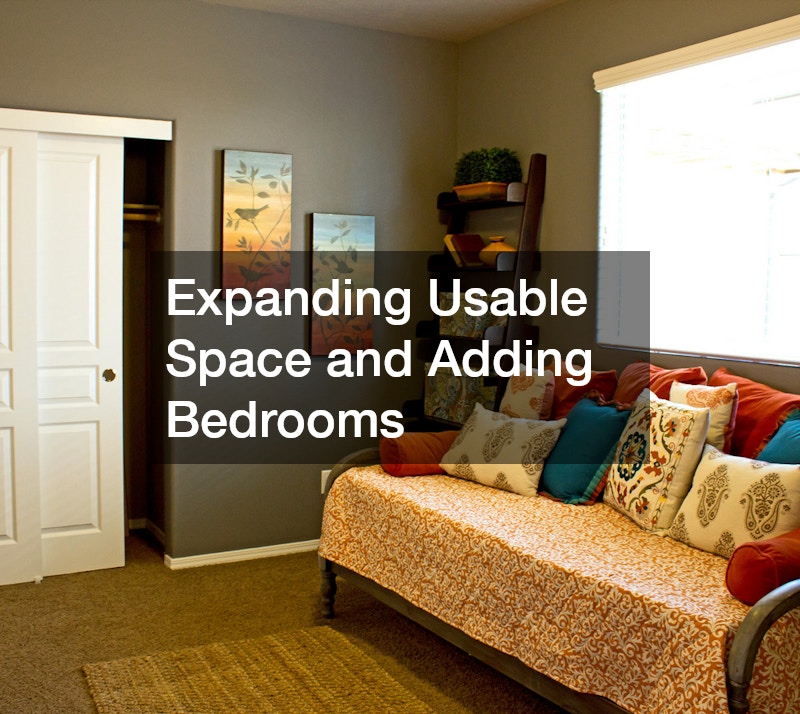
One of the most effective ways to jump into a higher price bracket is to increase the official bedroom count or the finished square footage of the home. More space equals more value, provided that the space is finished to a high standard.
If you have an unfinished lower level, basement finishing is perhaps the single best way to add a large amount of living area without changing the home’s footprint. This space can serve as a guest suite, a home theater, or a playroom. When undertaking such a large project, the quality of the workmanship is paramount. This is why you should always hire a local remodeling contractor. They will have the necessary knowledge of local building codes and the reliable subcontractors needed to ensure the project is completed safely and legally.
-
Ensure Proper Egress: To count a basement room as a bedroom, it must have a window large enough for an emergency.
-
Focus on Moisture Control: Use vapor barriers and moisture-resistant flooring.
-
Acoustics Matter: If the basement is for a theater, consider adding sound-dampening insulation in the ceiling.
8. Light, Color, and the Psychology of Neutrality
While you may love your bold red accent wall or your custom dark wood paneling, these personal choices can be polarizing. The goal of selling a home is to provide a “blank canvas” onto which a buyer can project their own life and furniture.
-
The Power of “Greige”: Neutral tones like warm grays and off-whites are universally appealing and make rooms feel larger.
-
Consistency is Key: Using the same paint color throughout the main living areas creates a sense of flow and continuity.
-
Maximize Natural Light: Remove heavy drapes and replace them with sheer panels or simple blinds to let the sun in.
Lighting is the most underrated tool in a seller’s arsenal. Replace old “warm” bulbs with “daylight” or “cool white” LEDs to make the home feel crisp and modern. When rooms are well-lit and painted in light colors, they feel more inviting and less cluttered.
9. Smart Home Integration and Energy Efficiency
Today’s buyers, especially millennials and Gen Z, are looking for homes that are “smart” and “green.” These features suggest lower monthly utility bills and a more convenient lifestyle.
-
Smart Thermostats: Devices like Nest or Ecobee allow for remote climate control and can save homeowners significant money.
-
Security and Access: Smart locks and video doorbells provide peace of mind and are very easy to install.
-
Insulation Upgrades: Adding blown-in insulation to the attic is a low-cost way to improve the home’s energy rating.
By highlighting these features in your listing, you distinguish your home from the “standard” houses on the market. These modern touches signal that the property has been updated for the 21st century, making it more attractive to tech-savvy buyers.
10. The Final Polish: Staging and Presentation

Once the heavy lifting is done, the final step is to present the home in its absolute best light. Staging is not about hiding flaws; it’s about highlighting the lifestyle the home offers.
-
Declutter Mercilessly: Remove 50% of the items on your shelves and in your closets. Buyers will look inside your closets to see if there is enough storage space.
-
Depersonalize: Remove family photos and unique collections. You want the buyer to imagine their own photos on the walls.
-
Professional Photography: In the digital age, your first showing happens on a smartphone screen. High-quality photos are non-negotiable.
Final touches like fresh flowers on the dining table, a bowl of citrus in the kitchen, and high-end soaps in the bathroom create a “luxury hotel” feel. This emotional resonance is often what pushes a buyer to make an offer quickly.
Increasing your home’s resale value is a multifaceted process that requires a balance of aesthetic appeal, mechanical reliability, and functional space. By following the steps outlined in this guide, you can systematically address the concerns of modern buyers and inspectors alike. Whether you are focusing on small cosmetic updates or investing in major additions, the key is to remain objective and focus on the features that provide the highest return. With the right preparation, you can not only sell your home faster but also secure a price that reflects the true value of your investment.
Ultimately, the journey to a successful home sale is paved with intentionality. Every choice you make—from the heavy lifting of structural renovations to the final placement of a centerpiece—should serve the singular goal of making a buyer’s transition into the home feel effortless. When a property feels maintained and thoughtfully updated, it removes the psychological barriers that often lead to lowball offers or hesitation. Buyers aren’t just purchasing a building; they are purchasing a future, and your role as a seller is to ensure that future looks bright, secure, and ready for immediate enjoyment.
As you move toward your listing date, remember that the real estate market rewards those who view their home through the eyes of a stranger. By prioritizing high-impact areas like the kitchen and outdoor living spaces while ensuring the “unseen” mechanical systems are in peak condition, you build a foundation of trust. This trust is what allows for a smooth negotiation process and a faster closing. While the work required can be intensive, the reward of a high-value sale makes every hour of preparation worthwhile. Take a deep breath, follow your checklist, and prepare to pass the torch to the next owner with total confidence in the quality and value of the space you’ve cultivated.
