Family caregiving is one of the most meaningful roles a person can take on. Whether caring for an aging parent, a spouse recovering from surgery, or a loved one managing a chronic illness, family caregivers provide essential physical and emotional support. Yet caregiving can also be overwhelming, especially when responsibilities grow more complex over time. This is where in home health care services play a transformative role. By combining professional medical assistance with compassionate support in a familiar setting, these services empower families to deliver better care while preserving their own well-being.
Below, we explore how in home health care services enhance family caregiving, reduce stress, and create a sustainable, supportive environment for everyone involved.
1. Providing Professional Support at Home
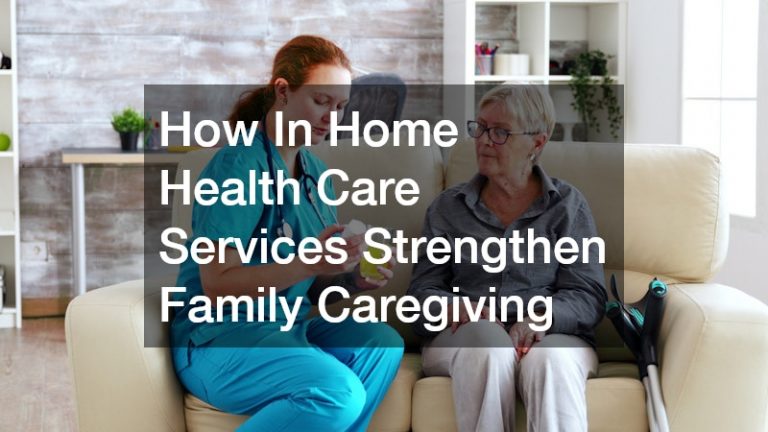
One of the greatest advantages of in home health care services is access to trained healthcare professionals without requiring a move to a hospital or facility. Skilled nurses, therapists, and aides can assist with medication management, wound care, rehabilitation exercises, chronic disease monitoring, and more — all within the comfort of home.
For family caregivers, this professional support is invaluable. Medical needs can quickly become complex, particularly after surgery or during advanced illness. Many family members are not trained to handle tasks like injections, IV management, or mobility therapy. Having experts involved ensures that care is safe, accurate, and aligned with medical recommendations.
In addition, professional oversight reduces the likelihood of complications or hospital readmissions. Regular monitoring allows healthcare providers to detect early warning signs and intervene promptly. This proactive approach strengthens the overall caregiving plan and gives families peace of mind knowing their loved one’s health is being closely watched.
By supplementing family efforts with skilled professionals, in home care creates a collaborative care model that benefits everyone.
2. Reducing Caregiver Stress and Burnout
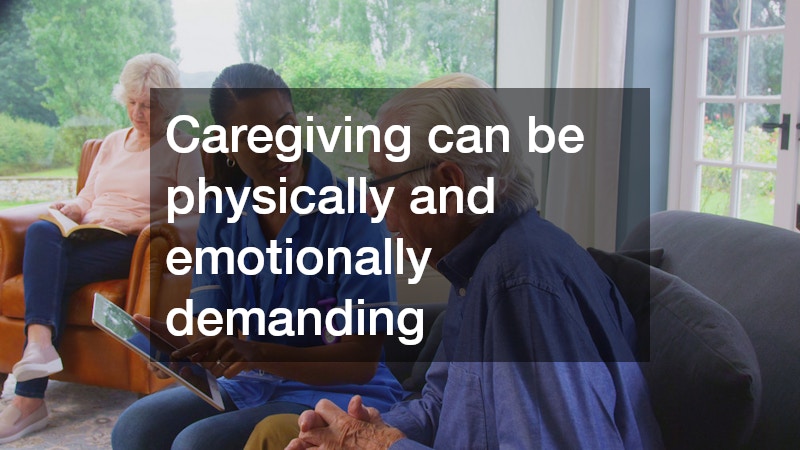
Caregiving can be physically and emotionally demanding. Many family caregivers juggle full-time jobs, childcare responsibilities, and personal obligations alongside providing daily assistance. Over time, this can lead to exhaustion, anxiety, and even caregiver burnout.
This is another critical way in home health care services strengthen family caregiving. By sharing responsibilities, these services provide caregivers with much-needed respite and balance. Even a few hours of professional support each week can allow a caregiver to rest, attend appointments, or simply recharge.
Beyond physical relief, professional caregivers offer emotional reassurance. Family members often worry whether they are doing enough or making the right decisions. With trained professionals involved, caregivers gain confidence that their loved one’s needs are being met properly.
Furthermore, in home health care services can adapt as needs change. As a condition progresses or improves, care plans can be adjusted accordingly. This flexibility prevents families from feeling trapped in overwhelming routines and ensures support remains appropriate and manageable.
When caregivers feel supported instead of stretched thin, they can focus more on meaningful interactions rather than constant task management.
3. Promoting Independence and Family Connection
While medical support is essential, maintaining dignity and independence is equally important for those receiving care. Remaining at home allows individuals to stay in familiar surroundings, maintain routines, and enjoy personal comforts. This stability contributes significantly to emotional well-being.
In home health care services are designed to encourage independence whenever possible. Rather than taking over completely, professional caregivers often assist individuals in performing tasks safely on their own. This approach builds confidence and helps preserve mobility and cognitive engagement.
At the same time, these services help families shift their role from full-time medical provider to supportive loved one. When professionals handle technical tasks, family members can spend quality time together — sharing meals, conversations, or simple daily moments that strengthen relationships.
This improved dynamic often reduces tension within the household. Instead of interactions revolving around medication schedules or medical procedures, families can focus on emotional connection. The presence of in home services helps restore balance, allowing caregiving to feel less like a burden and more like an extension of love.
Moreover, personalized care plans ensure that cultural preferences, lifestyle habits, and family values remain central to the care process. This individualized approach fosters trust and collaboration between families and providers.
Building a Sustainable Caregiving Future
Long-term caregiving requires sustainability. Without proper support, even the most dedicated family caregivers can become overwhelmed. Integrating in home health care services into a family’s care plan creates a strong foundation for ongoing support.
These services promote continuity of care, enhance safety, and reduce stress. They bridge the gap between medical institutions and the home environment, ensuring that individuals receive professional attention without sacrificing comfort or independence.
As populations age and healthcare needs grow more complex, families increasingly seek solutions that allow loved ones to remain at home safely. In home health care services meet this need by combining medical expertise with compassionate, personalized attention.
Family caregivers play an extraordinary role in supporting loved ones through illness, aging, and recovery. However, they should not have to do it alone. By delivering professional medical assistance, reducing stress and burnout, and strengthening family bonds, in home health care services significantly enhance the caregiving experience.
Rather than replacing family involvement, these services complement and empower it. They create a partnership that prioritizes safety, dignity, and emotional well-being. When families have access to the right support, caregiving becomes more sustainable, more balanced, and ultimately more rewarding for everyone involved.