
Every property owner eventually learns that the sticker price of a home is only the beginning of the real financial story. Ongoing maintenance costs quietly shape your investment returns, sometimes eating into equity gains or rental profits far more than buyers expect. Understanding which systems break down, when they need attention, and roughly what repairs cost can help you budget wisely and protect your property’s value. This guide breaks down the biggest maintenance expenses so you can plan ahead instead of reacting to costly surprises.
Why Maintenance Costs Deserve a Place in Your Investment Plan
Many homeowners think of maintenance as a nuisance rather than a financial variable, but skipping repairs almost always costs more later. Deferred maintenance lowers resale value, scares off potential tenants, and can trigger inspection issues that stall a sale. Treating upkeep as part of your investment strategy, rather than an afterthought, helps you protect appreciation and avoid emergency spending.
A property that looks well cared for consistently commands better offers and faster closings than one with visible neglect. Buyers and appraisers pay close attention to major systems, structural integrity, and curb appeal when calculating value. Building maintenance costs into your annual budget, rather than ignoring them until something fails, keeps your return on investment steady over time.
Heating and Cooling Systems That Drive Long-Term Value
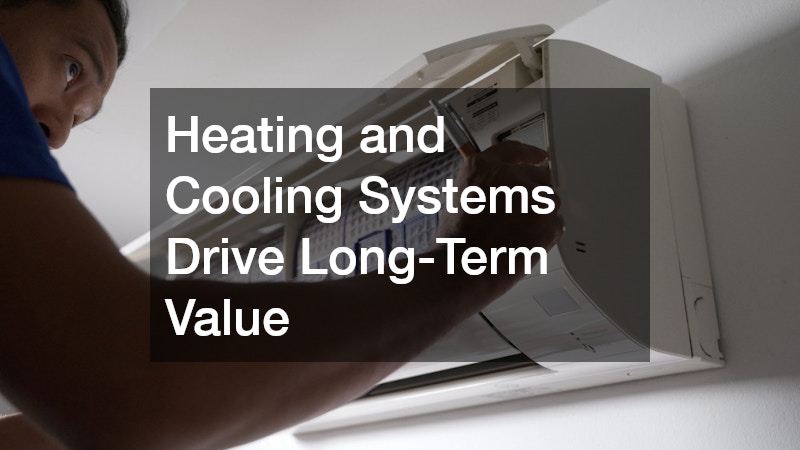
Few things affect a property’s comfort and resale appeal as much as a reliable heating and cooling system. Furnaces typically last 15 to 20 years, while central air conditioners often run 12 to 15 years before efficiency drops off noticeably. Once a unit starts breaking down repeatedly, it usually makes more financial sense to replace it than to keep patching it year after year.
Many homeowners turn to furnace replacement services when repair costs start approaching half the price of a new unit, a common industry benchmark for deciding between fixing and replacing. Older systems also tend to run less efficiently, driving up utility bills by 20% or more compared to newer, ENERGY STAR-rated models.
Beyond monthly savings, a newer HVAC system can be a strong selling point during resale, since buyers often factor remaining equipment life into their offers. Regular maintenance, such as annual inspections and filter changes, can extend a system’s lifespan and delay the need for costly replacement.
A growing number of property owners are also weighing the long-term savings of switching to a heat pump, especially in climates with moderate winters. A heat pump can handle both heating and cooling from a single system, which simplifies maintenance and can lower overall energy costs compared to running separate furnace and air conditioning units. Many modern heat pumps carry SEER ratings of 16 or higher, and some owners report energy savings of 20 to 30 percent over traditional systems once installed.
Lifespan is another factor worth tracking closely. A well-maintained furnace or AC unit typically lasts 15 to 20 years, while heat pumps often need replacement closer to the 15-year mark due to year-round use. Scheduling annual inspections, replacing filters on a regular cycle, and cleaning outdoor coils can meaningfully extend that lifespan and reduce the odds of a costly midwinter breakdown.
Factoring in the lifespan and efficiency of your climate control system helps you avoid unexpected replacement costs that can eat into rental income or resale profit. Setting aside a small reserve fund, even $200 to $400 per year, can also soften the financial impact when a full system replacement eventually becomes unavoidable.
- Schedule annual inspections (spring for AC, fall for furnaces) to catch small issues before they become expensive failures
- Replace air filters every 60-90 days to extend equipment lifespan and improve efficiency, or monthly if you have pets
- Compare repair costs against replacement costs before committing to a fix — if a repair exceeds 50% of replacement cost, or the unit is over 10-15 years old, replacement usually wins long-term
- Ask about energy efficiency ratings (SEER for cooling, AFUE for heating) when upgrading any system, since higher ratings mean lower utility bills over time
- Budget for a full HVAC replacement every 15-20 years and factor this into your investment’s long-term cost projections
- Keep outdoor condenser units clear of debris and vegetation to prevent airflow restrictions that strain the system
Plumbing and Water Systems Below the Surface
Plumbing problems are notorious for being expensive precisely because so much of the system is hidden behind walls or underground. Minor leaks can quietly cause structural damage and mold growth long before a homeowner notices anything wrong. When issues involve gas lines, water main breaks, or complex repiping, specialized plumbing services are often necessary since these jobs require licensing and equipment beyond a general handyman’s scope.
For properties on a septic system rather than municipal sewer, regular upkeep is just as important as anything happening inside the house. Septic pumping every three to five years prevents backups, protects the drain field, and avoids far more expensive repairs down the line. Neglecting this maintenance is one of the fastest ways to turn a manageable expense into a five-figure emergency.
- Watch for slow drains, gurgling pipes, or unusual odors as early warning signs
- Keep records of when septic tanks were last pumped and inspected
- Avoid pouring grease or chemicals down drains to reduce buildup
- Budget for periodic camera inspections on older plumbing systems
Roof Condition and Its Effect on Property Value
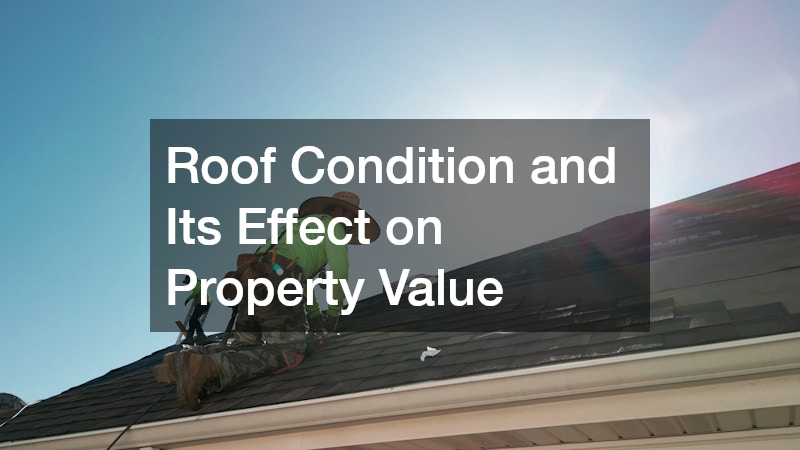
The roof is one of the most expensive components to replace, which makes its condition a major factor in how appraisers and buyers view a property. Depending on materials and square footage, a full replacement can run anywhere from $8,000 for basic asphalt shingles to $25,000 or more for metal or tile, so buyers and appraisers scrutinize this line item closely. A roof nearing the end of its expected lifespan, or one with visible sagging, missing shingles, curling edges, or water stains on ceilings, is a red flag that can lower offers significantly or trigger lender-required repairs before closing.
Even a roof that looks fine from the ground can hide deeper issues, such as compromised flashing around chimneys and vents, inadequate attic ventilation, or granule loss that signals advancing wear. These problems accelerate deterioration and can shave years off a roof’s useful life if left unaddressed.
Getting a professional assessment from a roofing company before small problems grow into structural damage is one of the smartest maintenance investments a property owner can make. Routine inspections, ideally every one to two years or after major storms, help catch issues while repairs are still measured in hundreds rather than thousands of dollars.
Not every roofing issue requires a full replacement, and catching problems early often means the difference between a minor fix and a major expense. A missing shingle or two might cost $150 to $400 to address, while a neglected leak can snowball into a $5,000 to $10,000 repair bill once decking, insulation, and drywall are compromised. Prompt roof repair after storms, for example, can prevent water infiltration that leads to rotted decking, ruined insulation, or mold growth in the attic.
Scheduling a professional inspection once or twice a year, especially after heavy wind or hail events, helps catch curling shingles, cracked flashing, or clogged gutters before they turn into structural problems. Small signs like granules collecting in gutters or faint water stains on ceilings are often early warnings worth acting on immediately.
Setting aside a small annual budget, roughly 1% of the roof’s replacement value, for upkeep tends to be far cheaper than waiting until a leak forces an emergency call. Landlords who track roof age and maintenance history also find it easier to time replacements strategically, spreading out costs rather than facing them all at once.
- Inspect roofs after major storms or seasonal changes, checking for cracked, curled, or missing shingles
- Look for granule loss in gutters and downspouts, an early sign of shingle deterioration
- Clear debris from gutters to prevent water backup under shingles, ideally twice a year in spring and fall
- Check attic spaces for water stains, mold, or daylight coming through the roof deck
- Track the age of your roof relative to its expected material lifespan (asphalt shingles: 20-25 years, metal: 40-70 years, tile: 50+ years)
- Budget for replacement 2-3 years before a roof’s expected lifespan ends to avoid emergency costs
- Get multiple quotes before committing to large roofing projects, comparing warranty terms and material quality, not just price
- Ask contractors about underlayment and flashing quality, since these details affect longevity as much as the shingles themselves
Structural Changes and Renovation Costs
Some maintenance decisions go beyond simple repairs and involve larger structural work, such as foundation repairs, additions, or major remodels. These projects can significantly boost a property’s value, but they can also become financial liabilities if not planned and executed carefully. Working with an established home construction business rather than an unlicensed contractor reduces the risk of code violations, permit issues, or shoddy work that hurts resale value later.
Before committing to any large renovation, it helps to research which upgrades actually recoup their cost at resale in your local market. Kitchen and bathroom updates often offer strong returns, while highly personalized additions may not appeal to future buyers. Getting a written scope of work and realistic timeline protects you from cost overruns that can turn a value-adding project into a financial drain.
- Verify licensing, insurance, and references before hiring for major structural work
- Get permits pulled properly to avoid legal and resale complications
- Compare renovation costs to expected increase in property value
- Build a contingency fund of at least 10 to 20 percent for unexpected issues
Trees, Landscaping, and Hidden Liability Risks
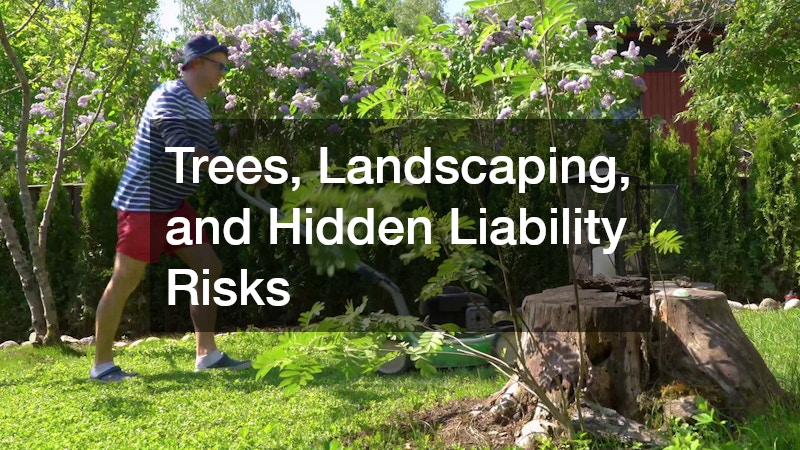
Mature trees can boost curb appeal and even increase property value, but they also carry maintenance responsibilities that many owners underestimate. Overgrown branches near rooflines, power lines, or foundations can cause damage during storms, and root systems sometimes interfere with plumbing or driveways. A reputable tree removal company can assess whether a tree poses a genuine risk or simply needs routine trimming.
For property owners managing multiple lots or rental properties, coordinating local tree removals ahead of storm season is often cheaper than dealing with emergency damage after a tree falls. Insurance companies also look closely at tree maintenance history when processing claims related to storm damage. Staying proactive with landscaping upkeep protects both the property’s appearance and its long-term structural safety.
- Have large or aging trees inspected every few years for disease or instability
- Remove dead branches before storm season rather than after damage occurs
- Keep tree roots away from foundations, septic systems, and utility lines
- Factor stump removal and cleanup costs into any tree work estimate
Driveways, Walkways, and Exterior Surfaces
Paved surfaces take a beating from weather, vehicle weight, and time, yet they are often overlooked until cracks become potholes. Freeze-thaw cycles are especially damaging, since water seeps into small cracks, expands as it freezes, and widens the damage with every winter that passes. A cracked or crumbling driveway can genuinely hurt a first impression, which matters more than many homeowners realize when it comes to resale value.
Beyond curb appeal, neglected pavement creates liability concerns. Uneven walkways and potholed driveways are trip-and-fall hazards that can lead to injury claims, and in some municipalities, cracked or heaving sidewalks can even trigger code violation fines.
Bringing in an asphalt paving company for resealing every few years is far less expensive than a full driveway replacement caused by years of neglect. Sealcoating typically runs a few hundred dollars for an average residential driveway, while full replacement can cost several thousand, making preventive maintenance one of the highest-return investments a property owner can make. A simple annual routine of clearing debris, filling hairline cracks early, and rinsing away oil stains can meaningfully extend the life of any exterior surface between professional visits.
Beyond aesthetics, damaged pavement can create liability concerns, especially for rental properties where tenants or visitors might trip or fall on a cracked walkway or heaved slab. A single slip-and-fall claim can cost thousands of dollars in legal fees and settlements, far exceeding the price of routine upkeep. Documenting repairs and inspection dates also gives owners a paper trail if a claim is ever disputed.
Regular sealing also protects the surface from water infiltration that leads to freeze-thaw cracking in colder climates. Asphalt driveways typically benefit from sealcoating every two to three years, at a cost of roughly $150 to $300 for an average residential drive, while concrete surfaces may need a penetrating sealer every three to five years. Skipping this step often means small cracks widen into potholes, turning a low-cost fix into a full resurfacing job costing several thousand dollars.
Walkways and patios deserve the same attention, since uneven pavers or shifting flagstone create trip hazards that are easy to overlook during a quick property check. Re-leveling pavers or filling joint sand is inexpensive compared to full replacement, but it’s easy to defer until the damage becomes visible or someone gets hurt. Treating exterior surfaces as part of your maintenance rotation, rather than an occasional afterthought, helps preserve both safety and value.
- Reseal asphalt surfaces every two to three years depending on climate, sooner in areas with heavy freeze-thaw cycles or intense summer heat
- Fill small cracks promptly (anything over 1/4 inch wide) before they widen and let water seep into the base layer
- Watch for pooling water, which signals drainage problems and can undermine surfaces costing $3,000 or more to repair if ignored
- Inspect concrete walkways for heaving or settling, common signs of soil erosion or tree root intrusion
- Check for spalling or flaking on concrete surfaces, which often points to poor sealing or de-icing salt damage
- Budget separately for driveways, walkways, and parking areas, since each surface type ages differently and requires its own maintenance schedule
Building a Realistic Maintenance Budget
A common rule of thumb suggests setting aside one to three percent of a property’s value each year for maintenance, though older homes and rental properties often need more. Breaking this budget down by system, such as roofing, plumbing, HVAC, and exterior surfaces, makes it easier to track where money actually goes. Keeping a dedicated maintenance fund separate from other savings also prevents repair costs from derailing your broader financial goals.
Tracking expenses over several years reveals patterns that help predict future costs more accurately than generic percentage rules. Older properties, homes in extreme climates, and rental units with frequent tenant turnover typically require higher maintenance reserves. Reviewing your budget annually ensures it still reflects the actual condition and age of your property.
- Set aside one to three percent of property value annually as a baseline
- Adjust reserves upward for older homes or harsh climates
- Track actual repair spending each year to refine future budgets
- Separate emergency funds from planned maintenance funds
Seasonal Checklists That Prevent Costly Surprises
Many expensive repairs trace back to small issues that went unnoticed for months or years. A simple seasonal checklist, reviewed each spring and fall, catches problems while they are still cheap to fix. This habit takes only a few hours but can save thousands over the life of a property.
- Inspect roofing, gutters, and downspouts each spring and fall
- Test heating and cooling systems before peak seasons hit
- Check exterior caulking, weatherstripping, and window seals annually
- Walk the property perimeter to spot drainage or grading issues early
- Review tree health and trim branches before storm season begins
Property maintenance will always cost money, but how you plan for it determines whether that spending protects your investment or quietly erodes it. By understanding the major systems most likely to demand attention, from roofs and plumbing to trees and paved surfaces, you can budget with confidence instead of scrambling during emergencies. Start by reviewing your property’s current condition, setting aside a realistic maintenance fund, and scheduling routine inspections before small issues turn into expensive ones. A little planning now goes a long way toward protecting your property’s value for years to come.
