
Real estate remains one of the most reliable vehicles for long-term wealth generation, capital preservation, and equity growth. Whether managing a portfolio of single-family rental homes, multi-family housing units, or real estate assets, investors depend on steady property appreciation and positive rental cash flow to maximize overall returns. However, physical real estate is an active asset class that demands ongoing capital protection. The physical structures housing these investments are subject to relentless environmental wear from driving rain, freezing winter cycles, high winds, and intense solar radiation. Without proactive capital preservation strategies, subtle exterior wear can quickly escalate into severe structural depreciation, unexpected vacancy rates, and massive emergency capital expenditures that erode net operating income.
Protecting real estate equity requires taking a disciplined approach to building envelope management. The overhead roof assembly and masonry chimney stacks represent a property’s primary lines of defense against water intrusion—the single most destructive threat to physical real estate. A failure in the building envelope allows moisture to infiltrate internal framing timber, saturate insulation, degrade interior drywall, and encourage toxic mold growth behind walls. For property owners and asset managers, water damage translates directly into lost tenant revenue, costly remediation claims, and diminished property appraisals during refinance or sale negotiations.
Partnering with Specialized Enterprises for Asset Preservation
Maintaining the structural integrity and equity value of a residential rental portfolio requires working with licensed contractors who understand the unique financial and operational priorities of property investors. Unlike owner-occupied residential projects where cosmetic upgrades often take center stage, investment property management requires balancing long-term material durability, tenant safety, and strict capital expenditure budgets.
Contracting an established residential roofing company ensures that your real estate assets receive structured physical evaluations, detailed condition reports, and code-compliant installations. Professional trade firms provide comprehensive documentation detailing remaining material lifespans across your portfolio, allowing asset managers to budget for capital replacements years in advance rather than reacting to sudden, costly failures. Their certified installation teams ensure that job site safety protocols are enforced, protecting property owners against liability claims during major construction phases.
Scheduling Routine Flue and Masonry Care to Prevent Interior Damage
Masonry chimneys and exhaust flues endure constant exposure to harsh outdoor temperature swings while handling high interior heat exhaust from fireplaces and furnace heating systems. Over years of thermal expansion and freezing moisture cycles, exterior chimney brick mortar joints erode, concrete crowns crack, and metal flashing collars pull away from surrounding roof surfaces. Unchecked masonry decay allows water to channel directly down internal wall cavities, causing unseen framing rot and interior plaster staining.
Booking a specialized chimney repair service addresses minor masonry cracking, spalling bricks, and compromised flashing before water reaches internal structural framing or living areas. Skilled masons apply breathable waterproof sealants over chimney brickwork, re-grout failing mortar lines using high-strength mortar mixes, and pour reinforced concrete caps that shed water away from flue liners. Precision masonry care prevents structural chimney collapse and stops slow, hidden water leaks into tenant living spaces.
Maintaining sound masonry stacks preserves interior living conditions, prevents tenant displacement, and eliminates severe liability hazards associated with falling brickwork. Regular chimney maintenance ensures that heating vents exhaust dangerous combustion gases safely out of the building. Proactive masonry upkeep represents a high-yield, low-cost capital preservation habit for real estate investors.
Planning Full System Overhauls for Aging Real Estate Assets
Every real estate asset eventually reaches a point in its lifecycle where repeated spot repairs on an aging roof become financially inefficient and structurally risky. Continuing to patch an obsolete asphalt roof that has lost the majority of its protective mineral granules increases the likelihood of catastrophic water leaks, tenant property damage claims, and emergency service calls that disrupt annual cash flow calculations.
Executing timely roof replacements when materials reach the end of their operational service lives restores total building envelope protection, lowers ongoing tenant maintenance requests, and significantly boosts property appraisal valuations. Installing a fresh, modern roofing assembly provides immediate energy efficiency benefits, reducing summer heat absorption into upper-floor apartments and lowering HVAC operational costs. A new roof also provides powerful marketing leverage, attracting quality, long-term tenants who value well-maintained properties.
Investing in complete system tear-offs allows installation teams to inspect underlying wood decking, replace rotted framing timber, and install modern self-adhered leak barriers across valleys and eaves. Modern architectural shingles and standing-seam metal systems offer decades of high wind resistance and fire protection, dramatically lowering insurance premium costs for real estate owners. Strategic capital replacement upgrades convert aging properties into low-maintenance, high-value income assets.
Comparing Accredited Regional Enterprises for Portfolio Management
Executing major exterior upgrades or complete system overhauls across single-family or multi-family property portfolios requires evaluating contractor qualifications, financial stability, and operational capacity carefully. Real estate investors must partner with contractors capable of handling multi-unit logistics, tenant communication protocols, and tight construction timelines without compromising installation quality or job site safety.
Evaluating proposals from multiple established roofing companies allows property managers to compare material specifications, equipment warranties, and labor costs transparently across prospective trade partners. Top-tier regional enterprises maintain dedicated multi-family divisions equipped with heavy cranes, high-volume dumpster fleets, and experienced project managers who oversee daily job progress. Reviewing contractor safety records and verifying active general liability coverage protects real estate owners against legal exposure during heavy construction.
Selecting Top-Tier Trade Contractors for Uncompromised Quality
The long-term return on investment for any major building envelope upgrade depends almost entirely on the precision and quality of the installation labor. Even top-tier architectural shingles or high-grade synthetic underlayments will fail prematurely if mounted using incorrect fastener patterns, installed over inadequate attic ventilation, or fitted with poorly folded valley flashings. Improper installation practices void manufacturer warranties, leaving real estate owners unprotected if materials degrade early.
Securing the services of the best roofing company in your market guarantees that your real estate assets are worked on by factory-trained, certified installation technicians who strictly follow manufacturer specification guidelines. Master-level contractors hold premium installation credentials with major building material manufacturers, granting real estate owners access to extended, non-prorated system warranties that cover both materials and labor for up to fifty years. Their technical rigor ensures that every roof penetration, wall flashing, and eave transition is sealed against driving weather.
Consulting Experienced Craftsmen for Precision Flashing and Edge Seals
While installing straight shingle courses across expansive roof planes is straightforward, real estate assets often feature complex architectural transitions—such as parapet walls, skylights, plumbing stacks, and multi-level roof intersections—that demand specialized hand craftsmanship. The vast majority of active interior roof leaks do not occur through missing shingles; they originate at metal flashing joints where different building planes join together.
Consulting seasoned roofers guarantees that step flashing, counter-flashing, and valley metals are bent, overlapped, and mechanically fastened with hand-fitted precision. Skilled trade craftsmen evaluate the specific expansion and contraction characteristics of different building materials, applying high-grade polyurethane sealants and corrosion-resistant metal flashing that accommodate natural thermal movement without cracking. Precision hand craftsmanship ensures that water is shed cleanly away from vulnerable wall seams into gutter systems.
Relying on master trade craftsmanship around high-risk leak zones prevents slow, hidden moisture accumulation that destroys wood wall studs and ceiling joists behind tenant walls. Precision flashing work eliminates frequent tenant maintenance complaints and protects structural framing from rot. Master trade execution ensures that your physical assets remain dry and structurally sound.
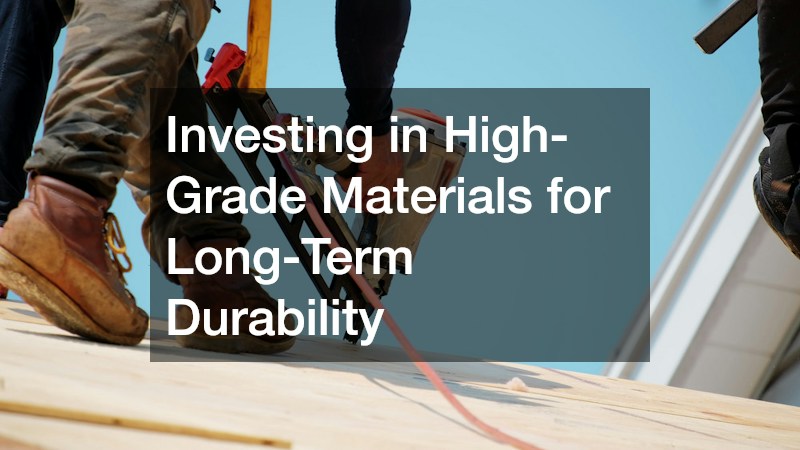
Investing in High-Grade Materials for Long-Term Durability
When executing capital improvements on investment properties, specifying low-grade, budget materials to minimize short-term upfront costs is a false economy that destroys long-term equity. Cheap, low-weight asphalt shingles, unreinforced felt underlayments, and thin plastic vent boots degrade rapidly under intense UV exposure and winter ice buildup, requiring expensive re-roofing projects far sooner than necessary.
Investing in high-quality roofing supplies—such as high-density architectural shingles, synthetic tear-resistant underlayments, heavy-gauge aluminum drip edges, and self-adhering ice-and-water membranes—delivers superior weather resistance and extends system lifespans significantly. High-performance synthetic underlayments provide tough water protection that resists wind tear-off, while heavy-duty architectural shingles feature rubberized polymer modifiers that resist hail impact and high wind uplift forces.
Specifying premium building supplies lowers lifecycle maintenance costs across your real estate holdings and enhances overall asset marketability. Durable building materials maintain their aesthetic appearance and structural performance over decades of severe weather exposure, preserving home curb appeal and tenant satisfaction. High-grade material selection represents a smart, capital-preserving strategy for real estate investors.
Coordinating Comprehensive Overhead Maintenance Across Portfolios
Managing a growing real estate portfolio demands moving away from fragmented, ad-hoc contractor calls toward an integrated, multi-property maintenance program. Treating every roof leak or gutter overflow as an isolated crisis leads to high emergency contractor fees, inconsistent repair quality, and administrative overhead that drains property management productivity.
Contracting comprehensive roofing services allows real estate managers to consolidate property condition assessments, routine gutter cleanouts, flashing re-sealing, and emergency leak responses under a single master service contract. Professional service providers conduct bi-annual site walkthroughs across your entire property portfolio, clearing drainage channels, inspecting sealant bonds, and identifying minor material wear before it causes internal water damage. Centralized maintenance management streamlines invoicing and ensures consistent quality control across all properties.
Coordinating total overhead maintenance optimizes annual operational budgets and extends the working service life of existing roof assemblies across your portfolio. Systematic preventative care stops minor defects from escalating into major capital emergencies, keeping rental units continuously occupied and generating steady income. Comprehensive service management protects overall portfolio net operating income.
Scheduling Timely Technical Maintenance for Residential Holdings
Residential rental properties endure continuous physical wear from tenant turn-over, outdoor environmental exposure, and seasonal storm events. Over time, subtle building envelope defects—such as a single wind-lifted shingle, an unsealed plumbing boot, or a clogged valley—can allow rainwater to penetrate surface layers, saturating ceiling insulation and creating hidden pockets of moisture that encourage toxic mold growth inside tenant spaces.
Booking professional residential roofing services at the first sign of surface wear or after severe regional storm events prevents minor defects from causing widespread interior property damage. Certified technicians perform targeted repairs, replacing damaged shingle courses, securing loose gutter aprons, and re-caulking flashing joints cleanly. Fast technical intervention preserves the thermal envelope of your residential holdings, keeping heating and cooling utility costs stable for tenants.
Taking quick, proactive action on residential maintenance needs protects real estate equity and preserves positive tenant-landlord relationships. Promptly addressing physical building repairs demonstrates professional management standards, encouraging long-term tenant leases and reducing costly turnover rates. Timely technical care represents an essential habit for successful real estate investing.
Hiring Reliable Community Specialists for Fast Emergency Fixes
Unforeseen weather crises—such as severe hail strikes, sudden winter ice dams, or falling tree branches during seasonal storms—can instantly breach a building’s roof structure without warning. Active roof leaks create high-stress emergencies that threaten immediate interior property destruction, tenant electrical safety, and catastrophic financial loss if not stabilized rapidly.
Engaging a responsive local roofer ensures fast emergency mobilization when sudden storm damage impacts your real estate assets. Local field crews can arrive on-site quickly to deploy temporary emergency tarps, clear fallen debris, and execute temporary watertight seals that prevent secondary water damage to interior living areas. Their physical proximity and familiar knowledge of regional building construction ensure rapid, efficient job site stabilization.
Maximizing long-term wealth generation through real estate investment requires organizing building envelope care, masonry maintenance, high-grade material selection, and professional trade partnerships into a single, cohesive capital preservation strategy. Real estate holdings derive their underlying value from physical structural integrity; protecting building envelopes against moisture penetration stops premature depreciation and safeguards investor equity over time. Combining proactive routine maintenance with strategic complete system overhauls eliminates unexpected emergency repair bills, stabilizes annual operational budgets, and optimizes net operating income.
Relying on certified, experienced trade specialists across roofing and masonry disciplines ensures that every capital improvement project is executed according to strict engineering and building code standards. Partnering with top-tier regional contractors and specifying high-grade commercial building materials guarantees that your properties feature durable, weather-resistant barriers built to withstand severe environmental exposure. Regular physical audits, prompt flashing repairs, and timely masonry restoration keep rental units dry, safe, and highly attractive to quality, long-term tenants.
