

Planning for the years ahead requires a comprehensive strategy that addresses wealth preservation, property management, dynamic market conditions, and long-term legacy planning. Taking action early ensures that you remain in control of your financial destiny, reduce tax exposure, and maintain personal authority over care decisions.
- Establishing structured investment portfolios early helps buffer against inflation and market downturns.
- Creating clear boundaries between personal liability and business holdings shields long-term savings.
- Organizing dynamic financial accounts into a single master ledger simplifies management for designated power-of-attorney proxies.
Protecting Wealth from Unexpected Costs
Preserving your accumulated wealth against potential market volatility and rising health costs is a top priority. Long-term care costs can rapidly diminish a lifetime of savings if not properly mitigated through specialized insurance products, health savings strategies, or tailored asset structures. Working alongside an experienced asset protection planning lawyer can help you construct legal shields that safeguard your home and liquid assets while maintaining eligibility for necessary state or federal benefits down the road.
- Annuities and long-term care insurance policies provide dedicated income streams for specialized nursing care.
- Irrevocable trusts prevent personal assets from being entirely consumed by catastrophic healthcare expenses.
- Setting aside dedicated emergency funds prevents forced liquidation of investments during market dips.
- Establishing structured family limited partnerships creates additional legal safeguards for high-value asset transfers.
Organizing Property and Personal Belongings
Over decades, individuals accumulate significant personal property, real estate, and sentimental items. Sorting through a lifetime of belongings can be emotionally taxing and physically demanding for both seniors and their families, especially when preparing to downsize into a smaller residence. Engaging a professional estate cleanout team allows families to transition smoothly when downsizing, liquidating, or relocating to a smaller home without the stress of manual labor.
- Professional appraiser networks help identify valuable antiques, art, or jewelry prior to liquidation.
- Sorting items into keep, donate, sell, and recycle categories prevents emotional overwhelm during downsizing.
- Coordinating logistics with charity organizations simplifies the bulk removal of duplicate household goods.
- Securing climate-controlled temporary storage safeguards heirloom items during major residential transitions.
Managing Real Property and Legal Documents
Navigating real estate transactions in your later years often involves complex titling decisions, tax implications, and transfer strategies. Whether you are selling a family home, purchasing a smaller condo, or transferring property to adult children, consulting real estate lawyers ensures that contracts are legally sound and aligned with your broader financial goals.
- Conducting professional home inspections catches structural issues before placing a long-term home on the market.
- Reviewing property titling options, such as joint tenancy, streamlines transfers without probate complications.
- Consulting legal counsel regarding capital gains tax exemptions maximizes net profits from real estate sales.
- Structuring life estate deeds permits homeowners to live in their primary residence while pre-arranging property transfers.
Structuring Your Estate and Healthcare Preferences

A complete retirement plan goes beyond investments to include legal directives that protect your wishes if you become incapacitated or pass away. Having fully updated, legally binding instruments in place eliminates confusion and reduces emotional hardship for family members during unexpected health transitions.
- Regular estate reviews every three years keep legal documents current with changing state tax laws.
- Clearly designating digital assets ensures online banking, email, and social accounts can be safely managed.
- Creating comprehensive funeral or memorial directives relieves family members of making high-stress choices during grief.
Creating Binding Legal Instruments
Drafting a comprehensive plan involves establishing wills, trusts, and durable powers of attorney to safeguard your life achievements. Partnering with qualified estate planning attorneys guarantees that your legal instruments reflect current state laws and clearly outline the distribution of your assets, avoiding lengthy probate processes for your beneficiaries.
- Revocable living trusts allow you to maintain full control over assets during life while ensuring direct transfer upon death.
- Pour-over wills act as a critical safety net for any property not explicitly transferred into a living trust.
- Updating beneficiary designations on life insurance and retirement accounts ensures direct payout outside of probate court.
- Drafting explicit letters of instruction provides non-binding guidance to executors regarding sentimental family items.
Designating Healthcare Proxies
Establishing a durable power of attorney for healthcare allows you to select a trusted individual to make medical decisions on your behalf if you are unable to do so. This legal document should be accompanied by a living will that details your specific wishes regarding life-prolonging treatments, pain management, and end-of-life care preferences.
- Discussing end-of-life wishes directly with designated medical proxies prevents guessing during medical emergencies.
- Storing signed living wills in digital patient portals ensures attending physicians have immediate access.
- Outlining specific preferences regarding organ donation simplifies medical team protocols during critical events.
- Reviewing advance directives periodically ensures medical instructions reflect current personal values and clinical developments.
Selecting Appropriate Residential and Care Solutions
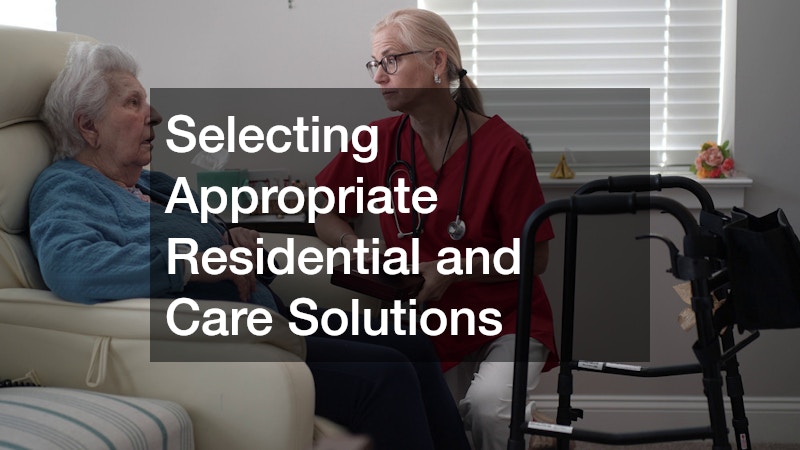
As physical needs change, evaluating living arrangements becomes a vital part of maintaining safety, independence, and overall quality of life. Exploring transitional options early allows seniors to choose environments that offer an optimal balance of social engagement, nursing support, and active lifestyle opportunities.
- Touring living communities during active years eliminates forced, rushed choices following a health crisis.
- Evaluating staff-to-resident ratios offers clear insight into the quality of daily care provided.
- Reviewing monthly fee structures prevents unexpected financial surprises as care needs increase.
Choosing Supported Living Environments
When daily tasks such as cooking, house cleaning, or medication management become difficult, residential care options offer a balanced solution. Opting for a quality assisted living service provides a secure environment where professional staff assist with daily activities while encouraging residents to maintain social connections and personal independence.
- On-site dining options ensure tailored nutrition plans without the burden of meal planning and grocery shopping.
- Scheduled group outings and social clubs foster community engagement and fight social isolation.
- Integrated emergency response systems provide immediate assistance at any hour of the day or night.
- On-site wellness coordinators craft individualized activity calendars that keep residents mentally and physically active.
Receiving Specialized Post-Acute Care
Recovering from a major surgery, illness, or fall often requires temporary medical supervision and structured physical support. Utilizing a dedicated senior rehabilitation service helps individuals regain strength, mobility, and functional abilities in a supportive clinical environment before returning home.
- Customized recovery routines help accelerate healing after joint replacements or stroke events.
- Dedicated nursing supervision lowers the risk of post-surgical complications or hospital readmissions.
- Occupational therapists teach safe techniques for performing everyday household tasks independently.
- In-house clinical evaluations monitor vital health indicators to ensure steady progress throughout rehabilitation.
Preserving Mobility and Physical Independence
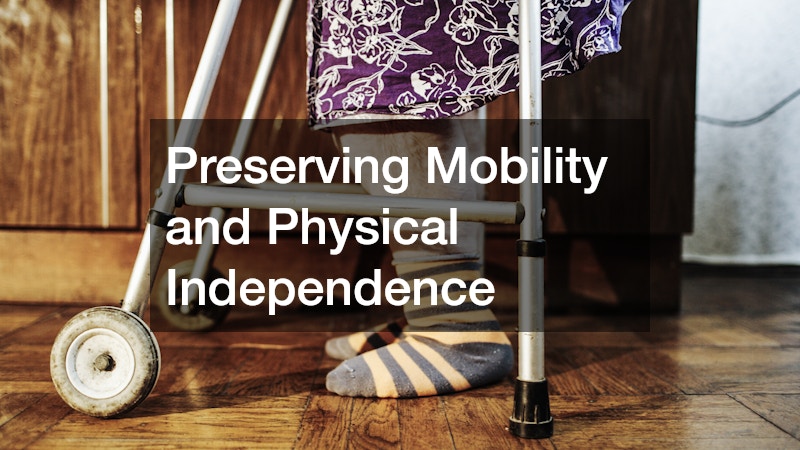
Maintaining freedom of movement is essential for emotional well-being, community engagement, and personal dignity as you grow older. Leveraging modern equipment and modified transport ensures you remain fully connected to friends, family, and public spaces.
- Modifying home entrances with low-incline ramps simplifies everyday outdoor access.
- Installing vehicle hoist systems enables effortless loading of heavy personal mobility devices.
- Utilizing public transit accessibility features empowers independent travel across local communities.
Enhancing Travel and Transportation Capability
Losing the ability to drive or board standard vehicles easily should not limit your active lifestyle or social calendar. Investing in accessible vans equipped with ramps or motorized lifts ensures that individuals using wheelchairs can comfortably attend medical appointments, run errands, and enjoy family outings.
- Automatic tie-down systems secure mobility devices safely inside vehicles during travel.
- Lowered floor modifications provide comfortable headroom and seamless wheelchair boarding.
- Side-entry ramp options allow safe curbside loading in standard parking spaces.
- Transfer seating systems allow passengers to move smoothly from a wheelchair into a standard vehicle seat.
Utilizing Personal Mobility Devices
Navigating large public spaces, shopping malls, or outdoor parks can become tiring for individuals with reduced stamina or joint discomfort. Utilizing a modern mobility scooter offers an effective way to navigate public environments independently without overexerting yourself or relying on others.
- Compact, foldable models fit easily into standard vehicle trunks for simple transportation.
- High-capacity batteries ensure reliable power for long outdoor outings and day trips.
- Ergonomic seating design supports proper posture and minimizes joint strain during extended use.
- Adjustable speed settings allow users to maintain safe control in crowded indoor environments.
Promoting Physical and Mental Wellness
Overall well-being during your mature years relies heavily on maintaining physical function and emotional health through structured support systems. Proactively engaging with medical professionals, exercise programs, and emotional counseling fosters resilience across every stage of aging.
- Consistent low-impact aerobic exercise builds cardiovascular health without overloading aging joints.
- Mindfulness techniques and guided meditation help relieve stress and improve daily sleep quality.
- Joining local community groups or volunteer teams provides meaningful purpose and social connection.
Restoring Function and Relieving Pain
Targeted physical exercise programs designed specifically for aging bodies can treat chronic pain, restore balance, and prevent future injuries. Scheduling regular appointments with a certified physical therapy service helps strengthen key muscle groups, improve flexibility, and reduce the risk of debilitating falls.
- Customized balance exercises significantly reduce the risk of accidental slips and dangerous falls.
- Non-invasive manual therapy techniques ease chronic joint stiffness and muscle discomfort.
- Specialized stretching routines improve posture, gait efficiency, and overall daily stamina.
- Aquatic physical therapy options reduce gravity impact on joints during low-resistance exercise workouts.
Nurturing Emotional and Mental Resilience
Navigating major life transitions, such as retirement, moving from a long-term home, or coping with changing physical health, can trigger feelings of anxiety, grief, or isolation. Seeking support from local therapy and counseling resources provides a safe space to process life shifts, develop coping strategies, and maintain strong emotional health.
- One-on-one professional counseling helps individuals work through grief and life transition adjustments.
- Group therapy sessions offer peer support and shared experiences with others in similar life stages.
- Cognitive behavioral strategies provide practical tools for managing anxiety and insomnia.
- Remote telehealth therapy appointments ensure accessible mental health support without leaving the home.
Key Action Steps for Long-Term Readiness

Preparing for the future involves a series of practical steps that can be taken systematically over time:
- Review all legal documents, including wills, trusts, and beneficiary designations, every three to five years.
- Assess your current home for safety hazards, adding grab bars, improved lighting, and non-slip surfaces where needed.
- Gather essential financial accounts, insurance policies, and legal documents into an accessible, secure location for designated family members.
- Consult with medical professionals to establish a personalized exercise routine that focuses on balance, cardiovascular health, and strength.
- Research local care facilities and community support options before an urgent health event creates an immediate need.
- Complete a yearly review of all insurance policies, including health, property, long-term care, and life coverage.
- Keep an updated list of current medications, dosages, and prescribing doctors in your wallet and in an accessible home location for emergency responders.
- Organize digital accounts, including passwords, online banking access, and social media profiles, storing credentials securely for your executor.
- Tour local residential facilities, adult day programs, and community centers early so you can make informed choices rather than quick decisions during a crisis.
- Schedule routine wellness visits, including vision, hearing, and cognitive screenings, to catch potential health changes early.
- Discuss your long-term preferences openly with family members and designated proxies so everyone understands your legal and medical wishes.
- Install smart emergency communication devices or wearable help pendants throughout your primary residence for rapid emergency responses.
- Consult with a certified financial planner to create a sustainable withdrawal strategy that accounts for fluctuating living expenses.
Preparing for retirement and navigating the aging process is a continuous journey that spans financial management, legal safety, residential choices, and personal health. By addressing each of these areas with proactive planning and professional support, you create a foundation that protects your independence and offers comfort to your family. Taking time to organize your estate, adjust your living spaces, and invest in your physical and emotional well-being empowers you to live your later years with confidence, dignity, and complete peace of mind.
